

Song lessons
Hound Dog uses three chords, G, C and D7, and every part of the song follows the same 12-measure pattern. Here are the chords, the pattern, the strum, and a low-high version that gives the strum its roll.
We’ll play it in the key of G with no capo. G is a good key for the guitar on this song. If it’s too low for your voice, put on a capo and use the same shapes.

The Three Chords
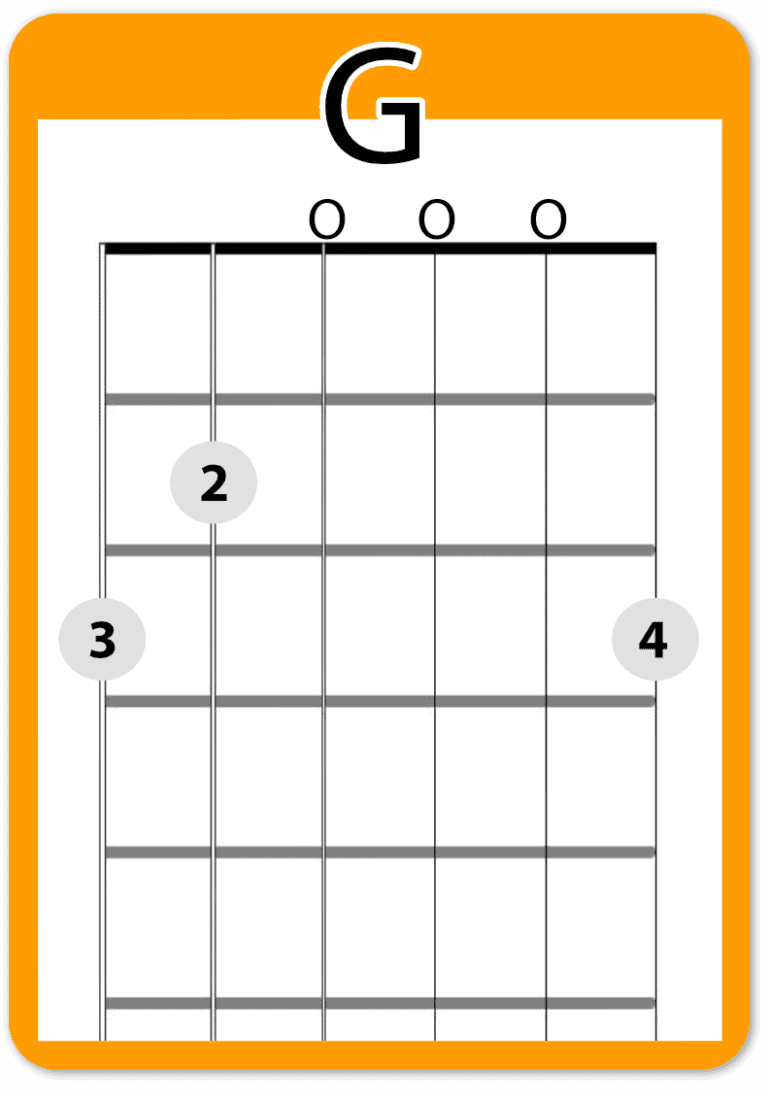
- G: I use the three-finger pinky G: pinky on the 1st string, 3rd fret, third finger on the 6th string, 3rd fret, and second finger on the 5th string, 2nd fret. It’s a short move to C. Use any G you like; here are the different ways to play G.
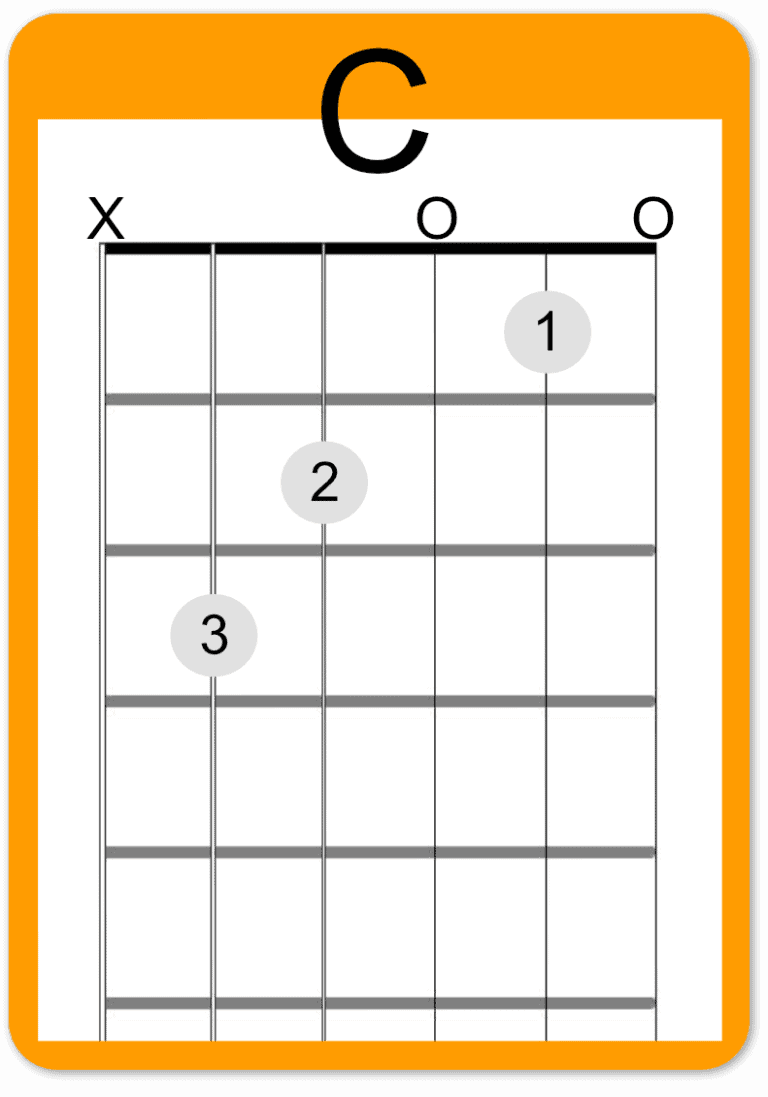
- C: the folk-style C. First finger on the 2nd string, 1st fret, second finger on the 4th string, 2nd fret, third finger on the 5th string, 3rd fret. The root is on the 5th string, so aim your strum there. More on the C chord.
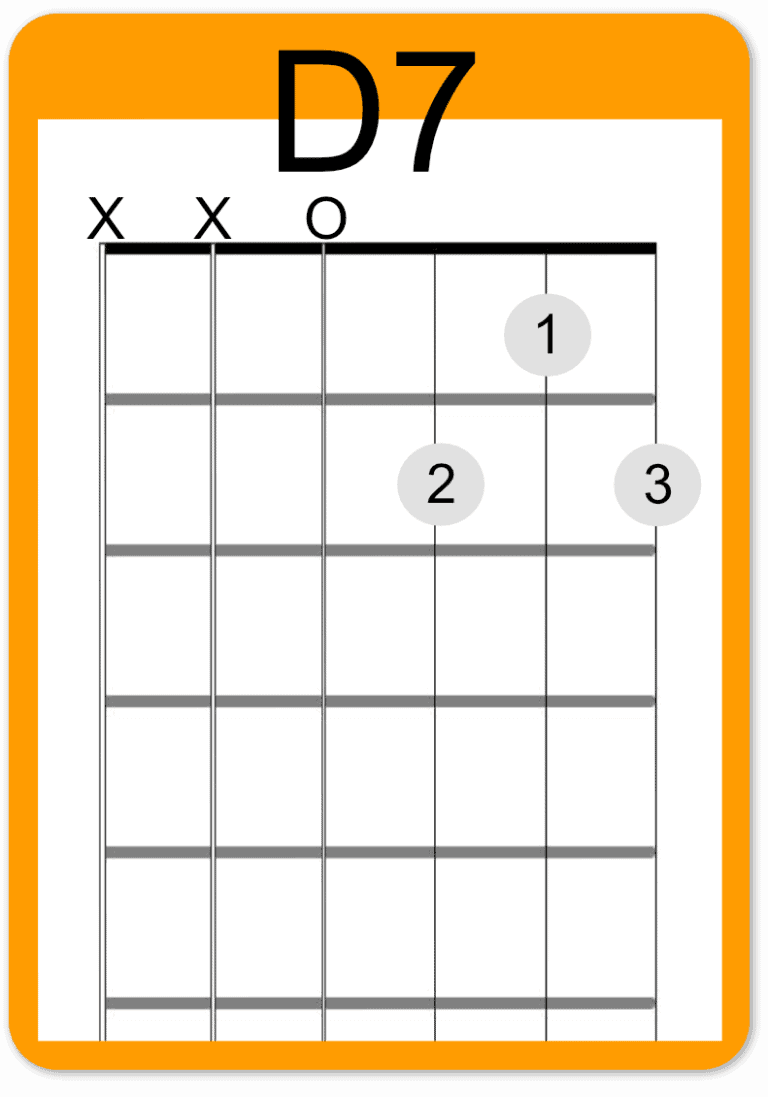
- D7: first finger on the 2nd string, 1st fret, second and third fingers on the 3rd and 1st strings at the 2nd fret. The bass note is the open 4th string. More on the D7 chord.
The change from G to D7 moves every finger, whichever G you use, so practice that one before you play the song.
The 12-Measure Pattern
The song starts with the “hound dog” part (I call it the chorus), then a verse with the same chords and almost the same melody, then the chorus again, a guitar solo, the verse again and the chorus to finish. Every part uses this pattern, one chord per measure:
| Measures | Chord |
|---|---|
| 1 to 4 | G |
| 5 to 6 | C |
| 7 to 8 | G |
| 9 | D7 |
| 10 | C |
| 11 to 12 | G |
The singing starts before the first chord, so in the play-through I give you a rhythm to start on. Walk through the pattern first with one down strum on each chord change, then with one strum per measure, so you learn where the changes fall with the words. In the chorus, the D7 comes on “never.”
The Strum
The strum is four beats: down, down-up, down-up, down-up, counted “1, 2 and 3 and 4 and.” Each chord gets one full measure. Keep a loose grip on the pick and brush the strings rather than hitting them hard.
Practice it on each chord, then practice changing chords without stopping the strum. Start slowly, and pick up speed once you can play the song through.
The Low-High Strum
When you’re ready, add some motion by choosing which strings you hit. Same down and up strokes, but on beats 1 and 3 you hit the low side of the chord (two or three bass strings), and the rest of the strokes go to the middle and high strings:
| Count | Stroke | Strings |
|---|---|---|
| 1 | Down | Low |
| 2 | Down | High |
| and | Up | High |
| 3 | Down | Low |
| and | Up | High |
| 4 | Down | High |
| and | Up | High |
On the high down strokes, skip the bass strings; on the up strokes, pull out before you reach them. The order doesn’t have to be exact. I vary it through the song, like most players do, and that variety is what keeps a strum interesting. This takes a while to get smooth, so start the play-along with the simple strum and add the low-high version as you go.
If the key doesn’t suit your voice, here’s how to use a capo to change keys.
Want more lessons like this one? Try Real Guitar Success free for 14 days.